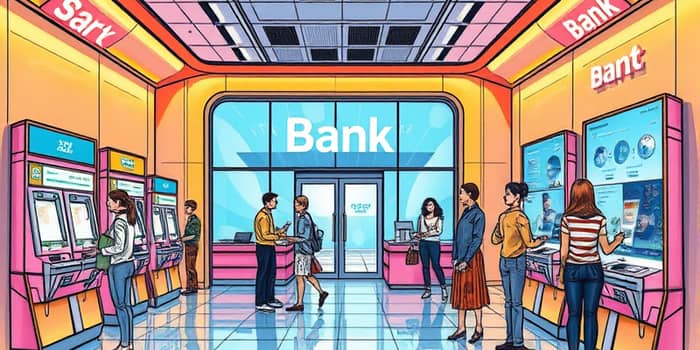
In an era defined by digital disruption and evolving customer expectations, bank branches are undergoing a profound transformation. No longer mere points for cash withdrawals and deposits, branches are reinventing themselves as dynamic hubs where people, technology, and relationships converge.
Financial institutions worldwide are shifting strategies: 35% plan branch expansion in 2025, and 27% are rethinking layouts to create immersive experiences. This renewed focus signals an opportunity to craft spaces that resonate emotionally while delivering cutting-edge services.
The concept of a branch has evolved beyond the teller window. Institutions are adopting a hybrid model that fuses digital convenience with human expertise. By combining self-service tools with expert consultation zones, branches become destinations for complex inquiries and relationship-building.
By adopting strategic assets for differentiation, banks can stand out in a crowded market. Branches transform into showrooms for innovation, showcasing capabilities that digital-only competitors cannot replicate.
Technology drives the new branch experience, but human connection remains at its heart. Advanced tools streamline transactions and empower staff to deliver bespoke guidance. Customers expect more than automation; they seek advisors equipped with insights and empathy.
Leverage interactive teller machines and kiosks to handle routine transactions, while staff focus on needs like wealth planning and complex lending. This balance amplifies both efficiency and trust.
Despite the promise of smart branches, institutions must navigate obstacles. High IT budgets skewed toward maintenance, legacy systems that slow innovation, and a talent gap in digital expertise can stall progress.
By confronting these issues head-on, banks can pivot from viewing branches as cost centers to recognizing them as growth engines and engagement hubs.
Building the branch of tomorrow requires a holistic approach. Leaders must align technology investments, talent development, and cultural shifts under a unified vision that centers on customer journeys rather than channels.
Success hinges on the ability to balance digital relationships with branches. Channels should complement each other, offering customers a cohesive experience whether they log in online or walk through the door.
In addition, banks must prioritize seamless omnichannel customer journeys. Mobile apps, online portals, and in-branch touchpoints need unified data and design standards, so customers feel heard and understood at every interaction.
Ultimately, branches thrive when they foster deep connections. Freeing staff from routine transactions allows them to focus on personalized sales and relationship-building. Whether guiding a first-time mortgage applicant or offering wealth management tips, human advisors remain irreplaceable.
By embedding analytics and AI into daily workflows, banks can anticipate needs, recommend tailored products, and monitor satisfaction in real time. This proactive posture elevates trust and loyalty, driving long-term profitability.
As real-time payments adoption climbs toward 62% by 2025, branches can spotlight these capabilities, demonstrating value beyond cash handling. Educating customers on faster, safer payment options cements the branch as a hub of financial empowerment.
Embracing a branch strategy is more than a cosmetic makeover; it represents a fundamental shift in how banks engage communities. By daring to reimagine the role of physical space, institutions can write a new chapter in customer experience—one that marries innovation with humanity.
The blueprint is clear: marry technology with empathy, data with human insight, and digital speed with in-person warmth. In doing so, branches will not just survive—they will flourish as beacons of trust, collaboration, and financial well-being for years to come.
References