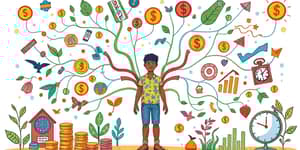
In a world often fixated on financial metrics, many of us crave something more profound than mere wealth. A life rich in purpose and connection offers a deeper fulfillment that transcends material success.
This article explores how to design a meaningful existence, drawing from scientific insights and practical wisdom. We will uncover the components of meaning and their impact on well-being.
Meaning in life is not a vague concept but a measurable, essential aspect of human flourishing. Research indicates that cultivating it can lead to remarkable health benefits and lasting happiness.
Meaning in life is composed of three key dimensions that work together to create a sense of fulfillment.
These dimensions are complemented by two independent components that define our relationship with meaning.
Understanding these elements is the first step toward intentionally shaping a meaningful life. It allows you to assess where you stand and what you might need to cultivate.
Having a strong sense of meaning is linked to significant improvements in both physical and mental health.
Better physical and mental well-being is a direct outcome, as meaning motivates healthier choices.
Moreover, meaning correlates with higher happiness, life satisfaction, and social connectedness. It fuels hope and optimism, creating a positive feedback loop that enhances overall quality of life.
A critical distinction lies in the presence versus search for meaning. While presence boosts well-being, unsuccessful searching may worsen mental health and increase stress.
Meaning in life evolves dramatically across different ages, influenced by life experiences and societal roles.
This pattern highlights how major life transitions shape our sense of purpose. For instance, peak meaning at age 60 often coincides with accumulated wisdom and stability.
Survey data supports this, showing that 73% of Britons over 60 feel they have lived meaningfully. In contrast, only about 45% of young adults aged 16-24 report the same.
Sources of meaning vary widely across individuals, but common themes emerge from research and personal narratives.
Additionally, connection to nature plays a vital role in underpinning well-being. Spending time outdoors helps clarify what is meaningful and supports a sense of identity.
Loss of natural places can negatively impact purpose, emphasizing the importance of environmental engagement.
Public perception of meaning reveals intriguing trends based on demographics and beliefs.
In Britain, 59% believe life has meaning, while 26% see no meaning, and 15% never think about it. Gender differences show men are twice as likely as women to deny meaning, though this gap narrows in younger ages.
These statistics underscore the diverse pathways to meaning, shaped by culture, age, and personal beliefs.
Designing a rich and meaningful life involves intentional actions grounded in research and self-reflection.
Emerging clinical interventions target meaning as a modifiable factor, offering hope for those struggling. Future research aims to develop evidence-based strategies to enhance patient well-being.
Designing a meaningful life is not a one-time achievement but an ongoing process of discovery and growth. By understanding the components, benefits, and sources of meaning, you can take proactive steps toward fulfillment.
Remember that meaning evolves with age and experience, offering opportunities for renewal at every stage. Whether through family, work, or nature, finding what resonates with you is key to a rich existence.
Let this knowledge inspire you to look beyond the bottom line and craft a life that is truly significant and coherent. Your journey toward meaning starts with a single, intentional choice.
References