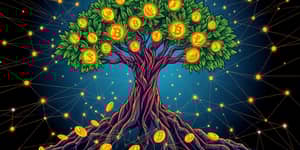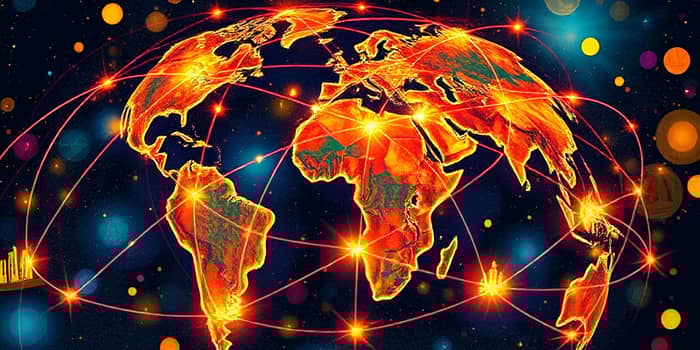
In an era defined by rapid technological advances and global collaboration, the world’s capital markets act as a bridge between ideas and opportunity. They channel savings from individuals, pension funds, and institutions into projects, innovations, and expansions across continents.
By understanding how these networks function and evolve, entrepreneurs, investors, and policymakers can harness seamless cross-border capital flows to drive growth.
Historically, businesses and governments relied on local financiers for funding. Today, digital platforms and international partnerships enable companies to issue shares or bonds anywhere in the world. This cost-effective access to global funding empowers startups in emerging markets to compete on the same stage as multinational giants.
Primary markets introduce fresh capital when a company goes public through an IPO or issues new bonds. Secondary markets, like the New York Stock Exchange or Tokyo Nikkei, give investors the freedom to trade existing securities, ensuring enhanced liquidity for issuers and buyers.
At the heart of global capital movement lies a two-tiered system:
Within this framework, equity markets represent ownership, while debt markets embody lending relationships. Both are vital to channel savings into productive ventures.
Investment banks and brokers serve as intermediaries, underwriting public offerings, matching buyers with sellers, and managing risk. Institutional giants like Morgan Stanley and Goldman Sachs leverage relationships and technology to keep markets fluid and transparent.
Global capital markets unlock resources that fuel research, infrastructure, and entrepreneurial ventures. By directing funds toward high-potential projects, they promote job creation and social progress.
Key benefits include:
This lifeblood of innovation and growth allows companies to expand research labs, governments to finance sustainable infrastructure, and communities to prosper.
Despite their power, capital markets carry inherent volatility and complexity. Sudden shifts in investor sentiment can lead to price swings, while geopolitical tensions may trigger liquidity shortages in certain regions.
Investors and issuers must develop robust strategies to mitigate these risks and maintain stability:
By prioritizing transparency and resilience, stakeholders can preserve confidence and sustain long-term growth.
As capital markets mature, new forces are reshaping their landscape. Fintech innovations, such as blockchain-based clearing and settlement, promise faster transactions and lower costs. Sustainable finance and green bonds direct investment toward climate solutions, while deepening markets in Africa, Southeast Asia, and Latin America unlock fresh potential.
Notable initiatives include the World Bank’s Joint Capital Markets Program (J-CAP), which offers advisory support to deepen local markets in government bonds, corporate equity, and SME financing. Collaborative efforts through IOSCO and the G20 strengthen regulation and foster investor protection in emerging economies.
These developments underscore the transformative power of shared resources and pave the way for inclusive prosperity.
Global capital markets are more than mere trading venues: they are the circulatory system of the world economy. By embracing resilience in volatile markets and leveraging technology, communities everywhere can tap into a reservoir of opportunity.
Ultimately, the interplay of global markets reminds us that no idea is too small to attract funding, no dream too ambitious to find support. When capital connects across borders, we unlock the potential for shared innovation, inclusive growth, and a brighter future for all.
References