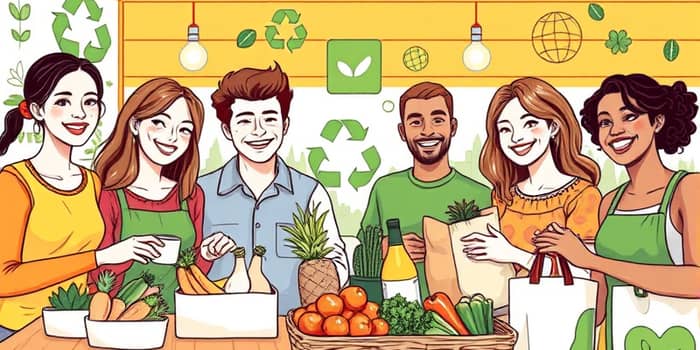
In today's interconnected world, every dollar spent holds the potential to shape our collective future.
Conscious consumption is not just a trend; it's a transformative movement that encourages intentional choices in our daily lives.
By focusing on positive social, economic, and environmental impacts, we turn shopping into a powerful act of civic engagement.
This approach goes beyond mere transactions to foster a deeper connection between what we buy and who we are.
It invites us to support brands that prioritize ethics, sustainability, and transparency over profit alone.
As consumers awaken to their influence, they are redefining markets and demanding accountability from corporations.
At its heart, conscious consumption involves making deliberate purchasing decisions that consider broader implications.
It aligns spending with personal values such as sustainability, ethics, and social responsibility.
This turns consumption into a form of identity, where every purchase reflects deeper principles of well-being and justice.
For example, health-conscious variants emphasize physical and mental wellness through organic foods or eco-friendly options.
Influenced by digital trends and social media, more people are seeking products that contribute to a healthier planet.
This shift represents a move away from impulsive buying towards mindful, value-driven choices.
Recent statistics reveal a significant pivot towards more responsible consumption patterns.
This data underscores a rising demand for ethical stewardship in the marketplace.
Additionally, generational differences highlight evolving priorities.
These numbers show that consumers are increasingly voting with their wallets for a better world.
The economic ripple effects of conscious consumption are substantial, with several sectors poised for expansion.
This growth highlights how sustainable practices drive innovation and attract investment.
Moreover, products marketed as sustainable often outperform their counterparts, capturing larger market shares.
For instance, in the CPG market, sustainability-marketed products drove 54.7% of growth from 2015 to 2019.
This demonstrates that ethical business models are not only viable but profitable in the long run.
Different age groups exhibit unique patterns in how they embrace conscious consumption.
This table illustrates how generational shifts reshape expectations and compel businesses to adapt.
Younger consumers, in particular, are leading the charge with their digital savvy and demand for transparency.
They use online platforms to research brands and hold companies accountable for their practices.
Several factors are fueling the adoption of more mindful spending habits.
These trends show a deepening commitment to personal well-being and environmental care.
As people seek more control over their lives, they turn to consumption as a tool for positive change.
Adopting this mindset can be simple and rewarding with practical, actionable steps.
Start by auditing your current spending habits to identify areas for improvement.
Research brands thoroughly, looking for certifications like Fair Trade or organic labels that signal ethical practices.
Opt for durable, multi-purpose products that reduce waste and last longer, such as reusable containers or versatile kitchen gadgets.
Support local businesses and sustainable startups to boost community economies and reduce transportation emissions.
Use technology, such as apps that track carbon footprints or provide ethical ratings, to guide your decisions.
Engage in repair culture by fixing items instead of discarding them, which fosters resourcefulness and reduces landfill waste.
Reduce consumption by buying only what you need and avoiding impulse purchases, which helps curb overproduction.
Educate yourself on supply chains to make informed choices about labor practices and environmental impacts.
Participate in community initiatives, like clothing swaps or food co-ops, for collective impact and shared learning.
Advocate for policy changes that promote sustainability and ethical business practices, amplifying your voice beyond individual actions.
By integrating these actions, you can transform consumption into a catalyst for broader societal improvement.
Remember, small changes add up, creating a ripple effect that inspires others to join the movement.
Despite its growth, conscious consumption faces hurdles that need addressing to sustain momentum.
To overcome these, transparent communication and independent verification are essential for building consumer confidence.
Businesses must move beyond symbolic campaigns to implement genuine, measurable sustainability initiatives.
Looking ahead, the future of conscious consumption is bright, with trends pointing towards greater integration of values in commerce.
As more people embrace this approach, innovation will flourish, creating a virtuous cycle of positive impact.
By aligning spending with values, we can collectively drive sustainable growth and social equity for generations to come.
Every purchase is an opportunity to vote for the world you believe in, making conscious consumption a powerful legacy for the future.
References