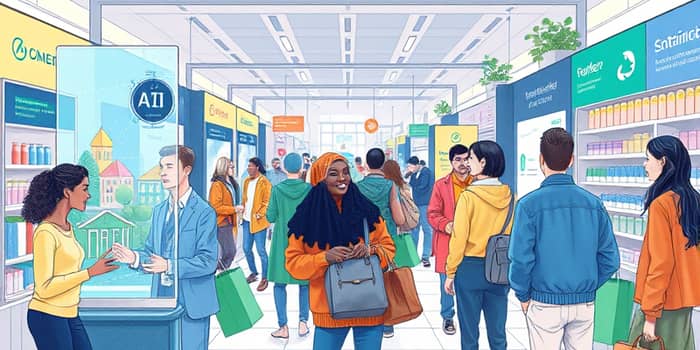
The world of commerce is on the brink of a transformative era, where consumer preferences evolve at breakneck speed. In 2026, businesses must navigate a complex tapestry of trends that demand innovation, empathy, and strategic foresight. This article delves into the key drivers reshaping markets and offers practical insights to thrive in this dynamic environment.
From lingering inflation effects to the rise of artificial intelligence, consumers are becoming more discerning and empowered. They seek not just products, but meaningful experiences that align with their values and lifestyles. Understanding these shifts is crucial for any organization aiming to stay relevant and competitive.
Value-seeking behavior has emerged as a universal priority, cutting across income levels. With 47% of global consumers identifying as value seekers, cost-conscious choices dominate purchasing decisions. This trend forces brands to rethink pricing strategies and product offerings to meet heightened expectations for affordability and quality.
Consumer trends in 2026 are characterized by a blend of economic pragmatism and digital sophistication. These patterns are reshaping how people shop, interact, and make purchasing decisions.
Key trends include:
Each trend presents unique challenges and opportunities. For instance, 74% of consumers would switch brands for lower regular prices, highlighting the intense competition. Brands must adapt quickly to retain loyalty and capture market share.
In 2026, value-seeking is not limited to budget shoppers. Even high-income households are making cost-conscious choices, with 35% actively pursuing deals and discounts. This shift is fueled by ongoing economic uncertainties and a desire for smarter spending.
Private labels grow in popularity as consumers seek cost-effective options. Retailers are capitalizing on this by expanding their own brands, which often offer comparable quality at lower prices. For businesses, this means focusing on value propositions that resonate without compromising on integrity.
To address this, companies should:
This trend underscores the need for agility in supply chains and marketing strategies. By prioritizing value, brands can foster long-term relationships and drive sustainable growth.
Consumers today expect tailored experiences that reflect their individual preferences and behaviors. Hyper-personalization leverages data analytics and AI to deliver customized content, products, and services.
AI enables faster product concepts and marketing campaigns, boosting return on investment. However, it's essential to balance automation with human connection to avoid perceptions of intrusiveness. When done right, personalization can enhance customer satisfaction and loyalty.
Key aspects include:
This approach requires a deep understanding of consumer data and privacy concerns. By fostering trust through ethical data use, businesses can unlock new levels of personalization.
Modern consumers are increasingly drawn to brands that foster community and uphold authentic values. This trend emphasizes local businesses, social initiatives, and inclusivity across demographics.
Micro-communities yield 25% higher marketing ROI in markets like China, demonstrating the power of peer recommendations. With 40% of consumers trusting these as much as personal advice, authentic engagement becomes a catalyst for organic advocacy.
Businesses can tap into this by:
This trend highlights the shift from transactional relationships to emotional connections. Brands that prioritize authenticity will see enhanced loyalty and market differentiation.
Health-conscious attributes and environmental concerns are shaping product choices across categories. Consumers seek clean ingredients, durable products, and innovations that enhance well-being.
Wellness and health focus dominates sectors like food and beverage, influencing packaging and flavor trends. Additionally, sustainability initiatives must align with growth strategies to navigate political volatilities and consumer expectations.
Innovation is crucial, with demand for new products after periods of stagnation. Cross-category analysis, such as monitoring restaurant trends, can uncover opportunities for differentiation.
For businesses, this means:
By embracing these elements, companies can cater to evolving consumer priorities while driving positive impact.
Artificial intelligence is revolutionizing shopping experiences, with 24% of AI users employing shopping assistants. Agentic commerce involves AI agents handling purchases, shifting focus to generative engine optimization over traditional SEO.
AI-driven shopping accelerates concept development and content creation, emphasizing productivity and cost reduction. Brands must service these non-human agents with findable, optimized content to stay competitive.
This trend integrates with:
Embracing AI requires a strategic approach to technology adoption and workforce training. It offers a pathway to enhanced efficiency and customer engagement.
The converging trends necessitate significant shifts in business models. Companies must adapt their portfolios, supply chains, and collaborations to remain agile and responsive.
The table below summarizes key business model implications based on trend drivers:
These shifts highlight the importance of collaboration and data-driven decision-making. By embracing these changes, businesses can build resilience and capitalize on emerging opportunities.
Trends manifest differently across regions, requiring tailored approaches. In global contexts, economic disruptions like China's stimulus or US trade changes influence market dynamics.
Emerging markets offer high-growth potential, particularly in Southeast Asia and India, where e-commerce and distribution networks are expanding. Sectoral variations exist, such as wellness dominance in CPG or shoppable formats in beauty retail.
Strategic recommendations for businesses include:
These actions provide a roadmap for navigating the complexities of 2026. By focusing on consumer-centric strategies, companies can foster growth and adaptability.
The consumer trends of 2026 present both challenges and immense opportunities for businesses worldwide. Embracing value, personalization, and technology is no longer optional but essential for survival and success.
Agility and collaboration will define the winners in this new era. By integrating data, fostering authenticity, and innovating responsibly, brands can build lasting connections with consumers.
Remember, the future belongs to those who listen, adapt, and inspire. Start today by reassessing your strategies and aligning with these transformative trends for a brighter tomorrow.
References