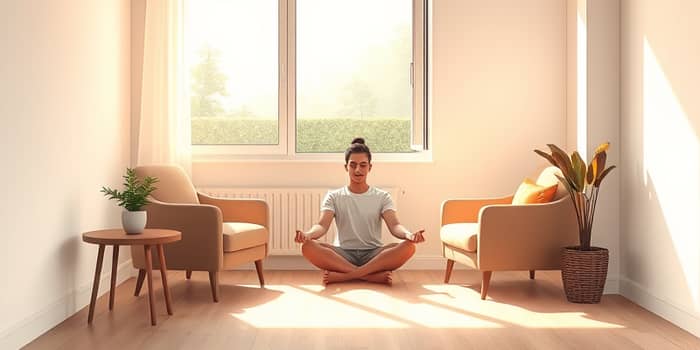
In a world driven by consumption, the practice of intentional reduction of excess possessions offers a profound path to freedom. Mindful minimalism combines simplicity with awareness, guiding us toward a life rich in meaning rather than clutter. By embracing this approach, you can transform your environment, mind, and spirit.
This article will explore the foundational principles of mindful minimalism, outline its comprehensive benefits, and provide actionable strategies to begin your journey. Each section builds on the last to create a coherent narrative designed to inspire lasting change.
At its core, mindful minimalism is structured around a set of key principles that work in harmony. These principles reject the notion that happiness can be bought, and instead focus on cultivating an environment and mindset that nurture well-being.
These principles form the backbone of a mindful minimalist lifestyle. By focusing on quality rather than quantity, you create space for what truly matters.
Adopting mindful minimalism can yield profound changes in your mental and emotional well-being. As you declutter both your physical and mental spaces, you pave the way for reduced anxiety and overwhelm and a clearer state of mind.
Studies consistently show that individuals who prioritize experiences and values over possessions experience significant improvements in mood, satisfaction, and resilience.
By removing the constant visual and mental noise, you cultivate gratitude and presence in everyday moments. This creates a fertile ground for creativity, self-awareness, and genuine connection with others.
Beyond the psychological rewards, mindful minimalism also offers tangible improvements in physical health and financial freedom. Time once spent on cleaning or searching for misplaced items can be redirected toward self-care and healthy routines.
Physically, a simplified environment encourages movement, whether through home workouts or yoga in a clear, open space. Cleaning up your diet by storing only whole foods and limiting impulse purchases fosters better nutrition and portion control.
Financially, curbing impulse buying and focusing on high-quality items leads to significant savings. You can then allocate resources toward experiences—travel, classes, or hobbies—that bring lasting fulfillment.
While physical decluttering clears your home, the deeper work involves reducing mental noise. Psychological minimalism focuses on shedding unnecessary commitments, overthinking, and guilt about past decisions.
By recognizing and releasing nonessential mental burdens, you make room for purposeful action. This process nurtures conscious decision-making for emotional well-being and aligns daily choices with your core values.
Engaging in regular mindfulness practices—such as meditation, journaling, or mindful walking—reinforces this mental clarity. Over time, these habits become a natural extension of a minimalist mindset.
Embarking on a mindful minimalist journey may feel overwhelming at first. To ease into the practice, adopt a step-by-step approach and celebrate small victories.
Start Small: Choose a single area—like a closet or a digital folder—and apply the one-in, one-out rule. Ask yourself, “Does this item add value or joy?” If not, let it go.
Build Mindful Habits: Integrate short daily rituals, such as a five-minute evening tidy-up or a morning mindful breathing session. Consistency is key to turning these actions into lasting habits.
Evaluate Purchases: Before buying, pause and reflect on need versus want. Consider the lifespan, ethical sourcing, and environmental impact of each item.
Here are targeted practices you can begin today:
As you progress, revisit your goals and adjust. Celebrate each moment of clarity, each saved dollar, and each peaceful breath gained through simplicity.
Mindful minimalism offers far more than a tidy home—it is a transformative lifestyle that nurtures mental clarity, physical health, and lasting fulfillment. By aligning your environment with your deepest values, you unlock the freedom to live richly with less.
Begin your journey today by taking one small step toward simplification. Notice the lightness in your mind, the extra time in your day, and the deeper connections you foster. With each intentional choice, you move closer to a life of purpose, presence, and joy.
References