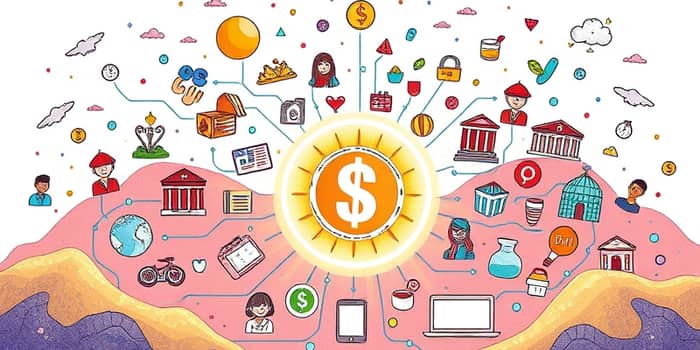
In an era defined by rapid technological change, finance is reinventing itself. Integrated finance platforms merge banking, investments, insurance, and more into one cohesive experience. These solutions not only streamline operations but also deliver personalized insights that drive growth and security.
Traditional finance has long been characterized by siloed services and manual processes. Today, digitalization and artificial intelligence are catalysts for a new paradigm. Firms embrace embedded finance within non-financial platforms to deliver lending or payment solutions directly at the customer’s point of need. This shift responds to a demand for real-time interactions and frictionless user journeys.
Key drivers include increased data availability, evolving consumer expectations, and tighter regulatory standards. As businesses seek agility and resilience, integrated finance emerges as a strategic imperative rather than a luxury.
Integrated finance platforms deliver a suite of interconnected offerings under a single login, ensuring both simplicity and depth. Common components include:
By unifying financial products, organizations can harness unified data and automation to transform traditional workflows. The most significant advantages include:
By automating invoice processing, payment approvals, and financial reporting, firms reduce errors and cycle times. Centralized data also facilitates robust risk profiles that encompass credit, insurance, and investment portfolios together—a level of oversight impossible under fragmented systems.
End users enjoy a fully integrated ecosystem that adapts as their needs evolve. Core customer benefits include:
Whether managing day-to-day budgets or planning for retirement, users benefit from coordinated advice that considers their entire financial picture. This holistic strategy reduces complexity and drives better outcomes over time.
A side-by-side look highlights the transformative power of integration:
Across industries, integrated finance is reshaping how companies operate. E-commerce platforms now incorporate lending and card issuance at checkout, offering consumers instant credit options. Enterprise resource planning tools link accounting modules directly to banking networks, enabling simplified financial ecosystems across industries.
Artificial intelligence and machine learning underpin personalization engines, analyzing spending cycles and revenue patterns to deliver tailored suggestions. As global markets grow more complex, this agility helps firms respond swiftly to disruptions, maintaining competitive advantage.
Despite its promise, integration poses hurdles. Firms must navigate a maze of regulations and ensure robust data protection and auditing processes that satisfy multiple jurisdictions. Security teams need to implement multi-factor authentication and continuous monitoring to guard against cyber threats.
Transitioning from siloed legacy systems demands upfront investment in technology and change management. Organizations should adopt phased approaches, beginning with core modules before expanding to advisory services. Selecting platforms that offer tailored solutions for diverse business models can minimize disruption and accelerate adoption.
Looking ahead, the convergence of open banking, APIs, and advanced analytics will deepen integration. Customers will expect hyper-personalized advice through machine learning and seamless experiences across devices. Providers will differentiate themselves by offering modular services that plug into various ecosystems, driving new revenue streams.
Organizations that prioritize agility and invest in flexible architectures will lead the charge. Embracing open banking and API-driven collaboration not only fosters innovation but also cultivates strategic partnerships, structuring finance around customer journeys rather than product silos.
Integrated finance represents a seismic shift in how financial services are delivered and consumed. By breaking down silos, automating workflows, and harnessing unified data, businesses and customers alike unlock new levels of efficiency, insight, and security. It’s time to unlock the full power of integration and embrace a new era of finance—where every transaction is seamless, every decision is informed, and every participant thrives.
References