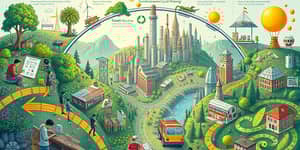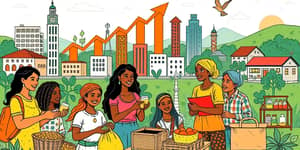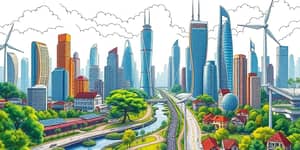
As the global urban population continues to rise, the pursuit of sustainable development in cities has become both an urgent responsibility and an inspiring opportunity. By reimagining urban environments, we can meet present needs while safeguarding the planet for generations to come, and foster thriving, resilient communities.
A sustainable city ensures that it satisfies today’s inhabitants without compromising the well-being of future generations. This balance is achieved by integrating economic, environmental, and social sustainability into every facet of urban life. Such cities aim for achieving minimal ecological footprint alongside enhanced quality of life.
These features align with UN SDG 11, calling for inclusive, safe, resilient, and sustainable cities. Additional pillars include human-centered design, systems thinking, equity, and smart technology for optimized resource use.
Cities occupy just 3% of Earth’s land yet consume up to 80% of its energy and generate 70% of carbon emissions. This disparity underscores the need for transformative change. By 2026, urban planners aim for low-carbon, resilient metropolises equipped with digital innovations, affordable housing, and green corridors.
Unchecked urban sprawl accelerates land consumption, degrades air and water quality, and strains ecosystems. For example, current trends in Montreal threaten all open areas within its proposed greenbelts in just twelve years. Only strict growth limits and strategic densification can counteract this loss.
Building a sustainable city requires a holistic approach that weaves together energy, mobility, nature, waste, and housing.
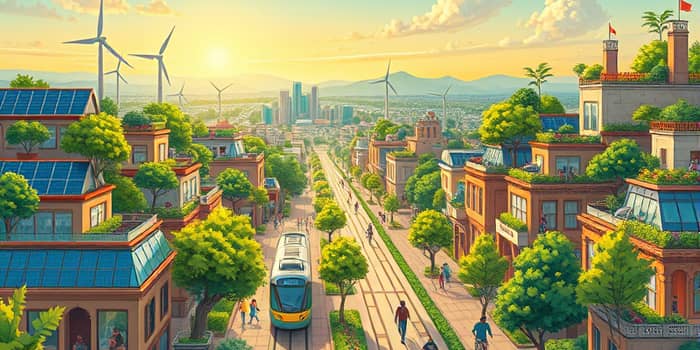
Transitioning municipal operations to renewable sources offers massive emission reductions. In Chicago, a plan to power 411 buildings with 100% renewables by 2025 is set to cut 290,000 metric tons of CO₂ annually. Eco-efficient architecture utilizes sensors, circular materials, and biogas from sewage to minimize resource use.
Next-generation transit integrates autonomous shuttles, extensive bike networks, micro-mobility options, and shared electric fleets. Seamless ticketing and first-mile/last-mile solutions ensure accessibility, reduce congestion, and promote healthier lifestyles.
Urban landscapes can become living systems: green roofs, permeable pavements, wetlands, and tree-lined avenues reduce heat islands and absorb stormwater. "Sponge districts"—inspired by Rotterdam’s flood-resilient zones—use regenerative design to restore ecosystems while protecting citizens.
Adopting closed-loop practices turns waste into a resource. Copenhagen’s goal of 70% municipal waste recycling by 2024 and reusable packaging initiatives aiming to cut emissions by over 50% demonstrate how material and energy reuse underpins sustainability.
Ensuring access to affordable, low-carbon housing near transit and essential services prevents social isolation and sprawl. UN-Habitat’s 2026–2029 strategic plan addresses a housing deficit affecting 2.8 billion people, emphasizing inclusive development that lifts communities.
Several global tools guide sustainable progress:
Balancing growth with ecological integrity demands nuanced policies. Population expansion and sprawl require stepped-up green investments and governance reforms. Upcoming milestones—IPCC reports, COP32 groundwork, Innovate4Cities and UCLG conferences—will shape urban climate action.
Emerging trends include regenerative district designs that generate surplus energy and water, restore habitats, and support urban agriculture. Lowering the population threshold for urban classification expands focus to 50,000-inhabitant towns, promoting sustainable models at every scale.
By leveraging innovation, inclusivity, and nature-based solutions, cities can become vibrant hubs of sustainability. Together, stakeholders can transform urban landscapes, ensuring that the cities of tomorrow are greener, safer, and more equitable for all.
References