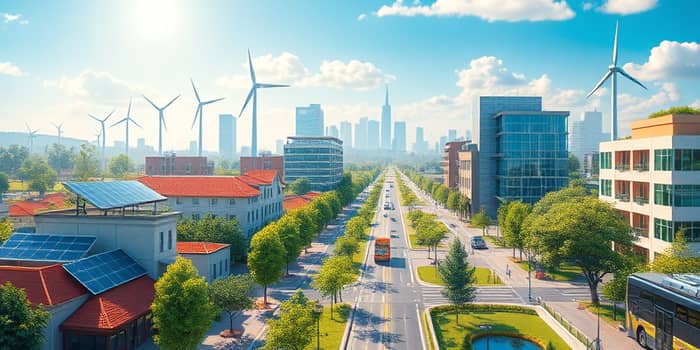
Across continents and communities, the need for resilient, inclusive, and low-impact infrastructure has never been greater. As urbanization surges and climate threats intensify, societies must rethink how they plan, finance, build, and maintain the fundamental systems underpinning daily life. Sustainable infrastructure offers a powerful pathway toward a future where economic growth, social inclusion, and environmental stewardship reinforce each other.
Traditional projects often prioritize short-term gains at the expense of ecosystems, communities, and long-term costs. In contrast, sustainable infrastructure embeds resilience against climate shocks, reduces greenhouse emissions, and fosters equitable development. By shifting our approach, we can protect lives, optimize investments, and ensure infrastructure serves everyone—today and for generations to come.
Several forces propel the shift to more sustainable systems:
Building truly sustainable infrastructure requires an intentional, holistic framework that transcends compliance. Projects must integrate environmental, social, and economic outcomes at every stage, from planning through decommissioning.
Understanding different facets of sustainable infrastructure helps tailor solutions to context and goals. Four core types stand out:
Infrastructure across energy, transport, water, waste, and buildings accounts for roughly 79% of global greenhouse gas emissions. Meeting net-zero by 2050 will require an estimated $139 trillion in investment worldwide. Simultaneously, urban populations are set to reach 70% by mid-century, intensifying pressure on cities to deliver climate-resilient, low-carbon services at unprecedented scale.
Yet the economic logic is compelling: every dollar invested in resilient projects yields about four dollars in benefits by reducing losses, cutting maintenance, and enhancing reliability. Thus, sustainable infrastructure is not merely an environmental choice—it is a prudent risk-management and value-creation strategy.
Real-world projects demonstrate what is possible when principles are applied effectively.
Energy systems—Inherently sustainable assets include solar farms, wind parks, and emerging green hydrogen facilities. Coupling these with smart grids, storage, and digital controls optimizes output and integrates variable renewables into the network.
Transport—Mass transit solutions such as electric buses, light rail, and bus rapid transit (BRT) systems reduce carbon footprints while enhancing mobility. Smart traffic management, cycling networks, and pedestrian-friendly corridors further cut congestion and pollution.
Buildings and urban development—Green building standards (LEED, BREEAM) drive high performance in public structures and private developments alike. District heating, energy-efficient retrofits, and nature-based stormwater management (green roofs, permeable surfaces) demonstrate how cities can become living laboratories for sustainability.
Mobilizing the required capital demands innovative financing mechanisms and supportive policies. Green bonds, blended finance models, and public-private partnerships can bridge funding gaps. Meanwhile, disclosure rules and taxonomies aligned with net-zero pathways steer private investment toward the most impactful projects. Governments play a vital role by setting clear sustainability standards, providing incentives, and de-risking early-stage ventures.
The evolution of sustainable infrastructure is accelerating. Digital twins, AI-driven operations, and advanced materials promise even greater efficiency and resilience. Meanwhile, community-driven models and inclusive planning processes ensure projects deliver equitable benefits. As climate risks intensify, the imperative to act grows more urgent. By embracing integrated, lifecycle thinking and fostering collaboration across sectors, public authorities, investors, and communities can build systems that deliver long-term economic, social, and environmental benefits for all.
Ultimately, the journey toward sustainable infrastructure is both a challenge and an opportunity. With thoughtful design, innovative financing, and unwavering commitment, we can build a better tomorrow—one where people, planet, and prosperity advance in harmony.
References