In a world where scarcity narratives dominate our headlines, it’s time to envision a new blueprint: one that embeds human dignity, planetary well-being, and financial empowerment into the very DNA of our economic systems and personal habits. This article explores how we can design abundance as a purposeful outcome, aligning macro-level structures, inner mindsets, and everyday practices to create lasting prosperity.
At the heart of abundance is the understanding that it’s abundance as designed, not accidental. Rather than viewing wealth as raw material, we recognize it as the mind’s capacity to generate utility, creativity, and well-being. This shift transforms our view of economics from a values-blind marketplace to a values-first political economy of people and planet.
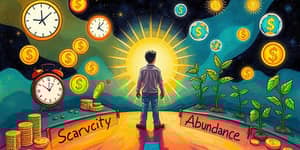
Two contrasting games define our financial reality:
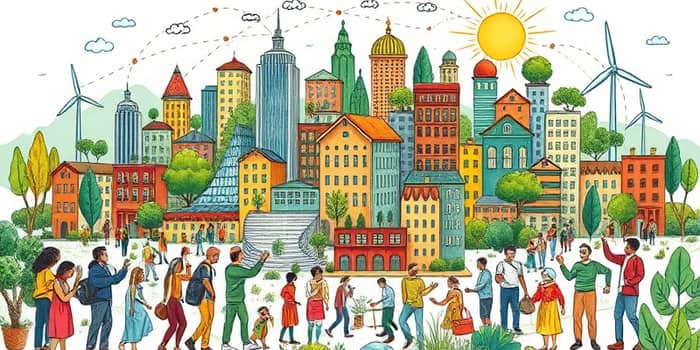
In this new architecture, property and wealth become collectively owned by people and planet and are allocated through distributed democratic processes and transparent formulas. Instead of relying solely on private extraction or state ownership, communities decide resource flows based on shared goals—mirroring the logic of the UN Sustainable Development Goals (SDGs).
Technology plays a pivotal role. Far from creating a technocracy, we embrace collective intelligence augmented by technology, where algorithms and AI translate our values into actionable tasks, reduce waste, and empower direct participation by every citizen. This augmented democracy ensures that abundance emerges from both human creativity and technological stewardship, reducing pressure on our planet.
Building a flourishing economy requires individuals to overcome the emotional barriers of fear, shame, and comparison. A transformative journey begins by recognizing whether we operate from a scarcity mindset—seeing every decision as a zero-sum game—or an abundance mindset that trusts in our capacity to meet needs and generate security.
Financial mindfulness offers a clear path forward through non-judgmental awareness of present-moment experience. By observing our emotional triggers without immediate reaction, we can break cycles of impulsive spending, hoarding, or avoidance.
Couples can apply a relational lens to money by sharing their personal histories, expectations, and aspirations, transforming financial discussions into opportunities for deeper connection rather than conflict.
Your financial life can mirror the systemic design of abundance. Instead of haphazard decisions driven by anxiety, you can construct a clear, values-aligned plan. Below is a concise overview of the six core steps to architect personal prosperity:
Let’s explore these steps in depth:
Step 1: Defining “enough” anchors your journey. For some, enough = stability covering essentials without worry; for others, it means time for creative pursuits and travel. This clarity thwarts lifestyle inflation and status comparison.
Step 2: Your values and life goals become the compass for every decision. A “wealthiest life” encompasses peace of mind, freedom to pursue passions, intention, and purpose. When you know what truly matters, you can allocate resources accordingly.
Step 3: Systems trump willpower. Automate transfers to savings and investments so that “future you” is funded without daily effort. Schedule monthly financial check-ins to review progress and adjust. Before every purchase, practice a mindful spending pause before purchases: ask whether this aligns with your long-term vision.
Step 4: Treat spending as a reflection of personal integrity. Each dollar you spend votes for the community, environment, or self-improvement you believe in. By evaluating your patterns, you ensure money supports growth, not distraction.
Step 5: Investing need not be anxiety-ridden. Recognize emotional responses to market swings. Commit to a strategy matched to your goals, time horizon, and risk profile, and resist the lure of fleeting trends.
Step 6: Borrowing and protection form your risk architecture. Understand the true cost of debt before you take it on, and ensure you have insurance or emergency reserves to shield against shocks.
Architecting abundance is neither magic nor mere optimism—it’s a deliberate design process that spans global systems and personal habits. By advocating for goal-based economic management, empowering augmented democracy, and fostering individual financial mindfulness, we can build a world where prosperity is shared, sustainable, and deeply fulfilling.
Begin today by pausing to ask yourself: What does abundance mean to me? Then take one small action—define your threshold of “enough,” automate a savings transfer, or share a candid conversation about money with a loved one. When we design our financial worlds with intention, every choice becomes a brick in a grand architecture of abundance—one that supports people and planet alike.
References