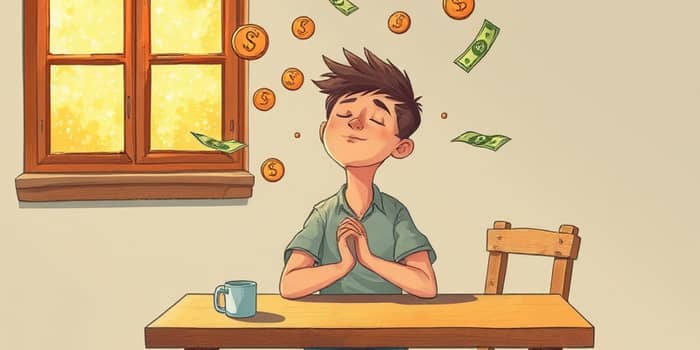
In an age of instant transactions and one-click purchases, it’s easy to let impulse rule our wallets. Yet, taking a deliberate moment before spending can transform not only your bank account but also your mindset. This article explores how to harness the power of a financial pause to build resilience, reduce regret, and cultivate healthier money habits.
Psychologists have long studied impulsive behaviors, and financial choices are no exception. Nearly 40 percent of purchases are regretted, often because they were made in the heat of the moment. By inserting even a brief hesitation, you create space for clarity and intention.
The “breath” analogy isn’t just poetic. In meditation, a single breath can reset a racing mind. Similarly, a financial pause can prevent that swipe of the card you might later lament.
Between 2020 and 2023, federal student loan payments and interest were suspended for about 43 months, affecting roughly 38 million borrowers. While this “forced breath” offered relief, its outcomes varied widely across income groups.
On average, active borrowers saw an average relief of $280 per month, amounting to about $13,500 each. Credit scores improved by around 30 points for those previously struggling, and delinquencies fell to zero percent. However, affluent borrowers gained the lion’s share: households earning over $75,000 received more than 65 percent of the total benefit.
This case study demonstrates that a pause without targeted strategy can produce regressive and uneven outcomes. Just as splurging under relief feels gratifying, it may deepen divides if the pause isn’t structured for equity.
While a break from payments lifted immediate burdens, it carried hidden costs. The federal government spent about $195 billion over the pause period, with monthly outlays around $5 billion. These funds came from broad federal budgets, potentially crowding out other priorities.
More concerning was the looming cliff: nearly 7.8 million borrowers were at high risk of missing payments once the pause ended. Without an exit plan, the relief period set many up for a repayment shock.
In personal finance, an unplanned pause—like a sudden windfall or credit limit increase—can trigger a similar spike in unwise spending. Without a clear roadmap, your pause can quickly unravel.
How can you mimic the beneficial aspects of a payment pause without its pitfalls? Adopt these proven techniques to ensure your pause leads to progress, not pitfalls.
Incorporating these habits can replicate the psychological benefit of a forced pause, without the risk of inequitable distribution of relief.
Beyond breathing and waiting, equip yourself with modern tools. A zero-based budget—where every dollar has a purpose—ensures that even in a pause, funds are allocated deliberately. Apps can track expenses in real time, flagging patterns of impulse buying.
Maintain an emergency fund that covers three to six months of expenses. Just as student borrowers redirected $280 monthly into temporary savings, you can channel paused spending into a safety net that accrues interest over time.
True financial health isn’t a single pause, but a sustained practice of awareness. Reflect regularly on why you spend: is it boredom, social pressure, or genuine need?
Keep a simple journal of each purchase over $20. Note your emotional state, the context, and whether you felt satisfied afterward. Over time, patterns emerge and empower you to make choices aligned with your values.
The story of student loan payment pauses offers a powerful metaphor. A well-intentioned break can relieve stress and improve metrics, but without careful design, its benefits may flow to those already advantaged and leave others facing a wall of debt later.
By integrating mindful pausing techniques, targeted budgeting tools, and a commitment to long-term reflection, you can harness the art of financial pause. Before you spend, take a breath—then decide with intention, equity, and resilience.
References