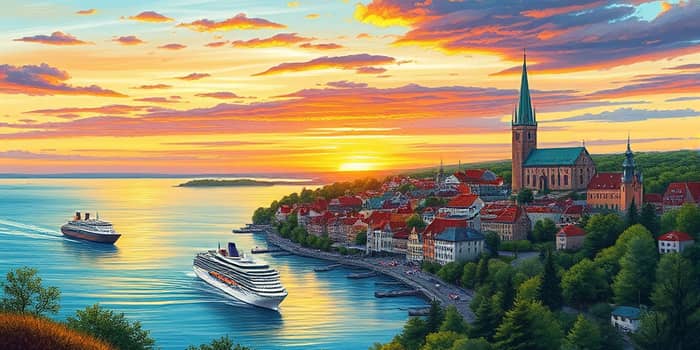
In 2025, the Baltic countries are not just recovering from the pandemic; they are thriving with unprecedented growth, outshining many European destinations and inviting travelers to uncover their secrets.
This region, comprising Estonia, Latvia, and Lithuania, has transformed into a tourism powerhouse, blending rich history with modern allure.
As you read on, discover how these nations are setting benchmarks for sustainability and innovation, making them a must-visit for every explorer.
The numbers tell a compelling story of resilience and rapid expansion.
In the first quarter of 2025, Europe welcomed 125 million international tourists, a modest increase from the previous year.
However, Central and Eastern Europe, led by the Baltics, surged ahead with an 8% growth rate, showcasing their rising prominence.
Lithuania emerged as the fastest-growing EU destination, with a staggering 21% increase in international arrivals compared to 2024.
Latvia followed closely, experiencing a 16-20% rise in foreign visitors and overnight stays.
Riga, its capital, saw a 20% boost in Q1 visitors, contributing significantly to the country's tourism figures.
Estonia demonstrated steady resilience with a 4% growth in visitors during September 2025, building on a 5% annual increase from the previous year.
The cruise sector in the Baltic Sea is also booming, with projections indicating a 10.1% rise in calls for 2025.
This growth is not just a flash in the pan but a sustained trend driven by strategic efforts.
These statistics highlight the Baltics' remarkable recovery and expansion, positioning them as leaders in European tourism.
Finland, as part of the Northern European context, also saw a 15% increase in arrivals, emphasizing the region's collective appeal.
The post-pandemic era has brought a shift in traveler preferences, with the Baltics capitalizing on their unique advantages.
One key factor is their reputation as less crowded and safer alternatives to traditional European hotspots.
This has attracted visitors from markets like Germany, Poland, Scandinavia, and the UK, with Denmark showing a 58-61% surge in arrivals to Latvia.
Emerging trends include a focus on sustainability and experiential travel, with Estonia leading the way through ambitious roadmaps.
Additionally, marketing efforts and increased flight connectivity have played crucial roles in driving this boom.
The Baltics are not just catching up; they are setting new standards for innovative tourism strategies.
This makes them an ideal destination for those seeking authentic and responsible travel experiences.
Beyond the numbers, the Baltics offer a treasure trove of experiences that captivate the soul.
From vibrant cities to serene nature, there's something for every type of traveler.
Riga, the capital of Latvia, is a charming hub with a UNESCO-listed Old Town and vibrant festivals.
Vilnius in Lithuania boasts a historic Old Town surrounded by green landscapes, perfect for leisurely strolls.
Tallinn, Estonia, serves as the heart of the Baltics, blending urban sophistication with coastal beauty.
The region's cultural richness is evident in its historical sites and festivals.
Sustainable travel is encouraged through eco-friendly accommodations and community-based tourism.
For those looking off the beaten path, the Baltics provide authentic and immersive encounters that are often overlooked.
This makes them a compelling choice for adventurers and culture enthusiasts alike.
Each season in the Baltics brings its own magic, from summer sun to winter wonderlands.
In summer, the long days and mild weather make it ideal for exploring coastal towns and attending outdoor festivals.
Winter transforms the landscape into a snowy paradise, perfect for Northern Lights viewing and cozy retreats.
The Baltics' affordability compared to Western Europe adds to their appeal.
Travelers can enjoy high-quality experiences without breaking the bank, making it accessible for all budgets.
This combination of value and variety ensures a memorable trip any time of year.
Understanding the Baltics' journey adds depth to their current success.
The pandemic hit hard in 2020 and 2021, with tourism numbers plummeting by up to 90% in some areas.
Estonia, for example, saw arrivals drop to 1.7 million in 2020, a sharp decline from pre-pandemic levels.
However, the resilience of these nations has been remarkable, with a strong rebound starting in 2022.
Despite these challenges, the Baltics are poised for sustained growth, with projections indicating a market value increase to $490.20 million by 2029 for Estonia alone.
This historical perspective highlights their determination and adaptability in the face of adversity.
It also underscores the practical aspects travelers should consider, such as booking in advance for better deals.
To make the most of your visit, planning ahead is key.
Start by researching the best times to go based on your interests, whether it's summer festivals or winter sports.
Consider using regional flights and trains for convenient travel between countries.
Engage with local communities to support sustainable tourism and gain deeper insights.
The Baltics offer a unique blend of old-world charm and modern convenience, ensuring a hassle-free journey.
By following these tips, you can create an unforgettable experience that respects the environment and culture.
The Baltics are more than just a travel destination; they are a revelation waiting to be discovered.
With their rapid growth, rich heritage, and commitment to sustainability, they stand out as Northern Europe's hidden gems.
Whether you're drawn by the statistics or the stories, a visit here promises inspiration and transformation.
Pack your bags and set out to explore a region that is redefining European tourism with every passing season.
Let the Baltics captivate your heart and mind, offering lessons in resilience and beauty that last a lifetime.
References