We live in an age where no nation stands apart from global currents. Like intertwined threads in a tapestry, markets, resources, and ideas flow across continents, creating unexpected synergies and cascading effects. This monumental shift has given birth to an economic landscape built on mutual reliance of nations, transforming local choices into events of worldwide significance. Understanding this reality is not simply academic; it is essential for anyone seeking to thrive in a world defined by connectivity.
At its core, economic interdependence describes the web of trade, financial, and production linkages that binds countries, businesses, and individuals. Driven by industrialization and specialization, no market remains self-sufficient. Instead, each participant focuses on specific goods, services, or expertise, exchanging surpluses for what they lack.
Economic interdependence traces back to the dawn of industrial revolutions, when coal-powered machinery and steamships shrank continents. As firms sought raw materials and cheap labor, new relationships formed, spawning the first global supply chains. Over time, these networks grew more intricate, embedding technology transfers and financial linkages into every transaction.
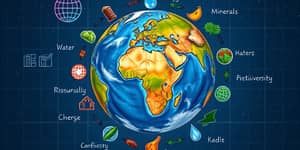
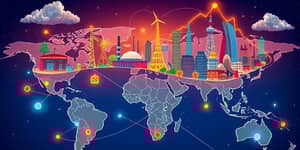
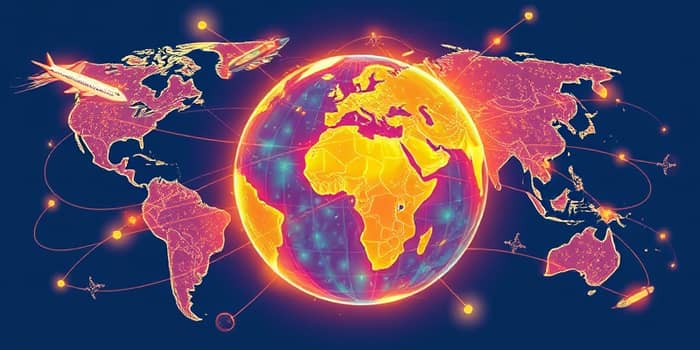
Globalization accelerated after the Second World War, as technology and transportation breakthroughs made distance a shrinking barrier. Companies sought comparative advantage and specialization, shifting manufacturing, finance, and services to regions with competitive edges. Over decades, multinational supply chains stretched from mining sites in Africa to assembly lines in Asia to consumer markets in the Americas and Europe.
Major shocks like the 2008 Financial Crisis, the COVID-19 pandemic, and geopolitical conflicts have revealed how rapidly distress can spread. Yet each crisis has also taught invaluable lessons about resilience and the power of cooperation.
The integration of information technology over the past three decades accelerated these trends exponentially. High-speed internet, container shipping, and blockchain innovations have created a seamless environment where data and goods pass through borders at unprecedented speeds. This digital layer adds complexity but also offers tools to monitor provenance and adapt in real time.
When managed wisely, interdependence unlocks profound benefits for societies and investors alike. Access to global markets drives economic growth and efficiency, while knowledge sharing and technology transfer spark innovation.
Moreover, small businesses and entrepreneurs can now access international customers through online platforms, leveling the playing field. Innovations in fintech and digital marketplaces empower communities to tap global talent pools and distribution channels, generating social and economic uplift in regions once sidelined by distance.
Key advantages include:
These gains demonstrate why forward-thinking leaders and entrepreneurs embrace connectivity rather than retreating behind protectionist barriers.
Despite its promise, a tightly knit global economy can be vulnerable to global shocks. A disruption in one region can trigger widespread supply breaks, financial turmoil, or energy shortages far beyond its borders.
Climate change further complicates this picture. Extreme weather events can cripple critical ports, while carbon policies and supply chain decarbonization efforts require coordinated transitions that do not leave vulnerable populations behind.
Building resilient and adaptive strategies is essential to cushion against these headwinds and ensure that interconnectedness remains a source of strength.
For investors, interdependence offers a spectrum of potential avenues, each with unique rewards and risks. By diversifying across regions and sectors, portfolios can capture growth while mitigating localized downturns.
Emerging markets at the heart of these transformations often present high growth potential, but also demand rigorous due diligence. Investors can engage with sustainable infrastructure projects, renewable energy ventures, and tech hubs that bridge gaps between established economies and frontier innovators.
Effective management of interdependence requires robust institutions and coordinated policy and governance frameworks. International bodies like the G20 play a pivotal role in aligning monetary policies, negotiating trade agreements, and overseeing financial stability.
Tools such as macroeconomic surveillance, mutual assessment processes, and common standards for transparency can temper volatility and foster trust among trading partners. Nations that work in concert can turn shared challenges into collective solutions, reinforcing stability.
Digital governance will be a frontier for cooperation. Shared standards for data privacy, cybersecurity, and cross-border digital trade are essential to harness the full promise of interconnected networks without sacrificing security or individual rights.
Concrete examples illustrate both the promise and peril of global interconnectedness. The following table highlights key episodes where interdependence shaped outcomes on a grand scale.
As we peer into the coming decades, several trends stand out. The rise of digital value chains, the transition to a low-carbon economy, and shifting geopolitical alliances will redefine patterns of cooperation and competition.
Harnessing these changes requires not only technological innovation but also a human-centered approach to growth—one that values inclusivity, environmental stewardship, and shared prosperity. By balancing ambition with prudence, we can build a future where interconnectedness uplifts every community.
Ultimately, living well in a connected economy means embracing complexity with curiosity. It calls on us to build bridges where walls once stood, to seek mutual understanding, and to invest not only capital but also trust in one another.
Investors, policymakers, and citizens alike are called to engage with this grand challenge. Through strategic vision and collaborative effort, we can ensure that the connected economy remains a source of hope, opportunity, and resilience for generations to come.
References