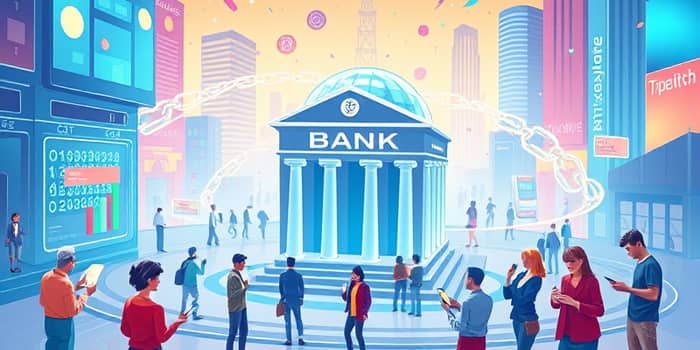
Financial technology, or fintech, has evolved from simple digitization efforts into a global force rewriting the rules of banking, payments, and investments. Today, innovators harness cutting-edge tools to create seamless digitalized banking experiences that empower individuals and businesses alike.
In this article, we explore the journey of fintech from its origins to the latest breakthroughs, sharing inspiring success stories and offering practical guidance for those ready to embrace the next wave of financial evolution.
The fintech story began decades ago with ATMs, electronic fund transfers, and early online portals. These initial steps laid the groundwork for a revolution that would accelerate in distinct waves.
Each wave built on the last, cumulatively driving a shift toward breaking down financial barriers and broadening access for millions worldwide.
At the heart of fintech’s ascent lies a powerful technology stack. These innovations work in concert to deliver faster, smarter, and more secure solutions.
Beyond these pillars, mobile wallets, peer-to-peer lending, and robo-advisory platforms round out a suite of tools harnessing the power of AI and real-time data to deliver personalized experiences.
Fintech has reshaped key financial functions—payments, lending, investing—by offering faster, cheaper alternatives. Startups and established players alike have seized market share by prioritizing user experience and agility.
These case studies reveal how a focus on driving inclusive growth and innovation can unlock new markets and foster deep customer loyalty.
Despite its promise, fintech faces hurdles. Legacy banking systems can be slow to integrate new tools, and regulatory compliance remains complex. Startups often contend with high development costs and fluctuating funding environments.
Yet, these challenges also present opportunities. By partnering with traditional institutions, fintech firms can access established customer bases and regulatory expertise. Meanwhile, banks can inject agility and fresh ideas into their offerings.
For businesses and entrepreneurs, the key to success lies in building resilient and adaptive business models that balance innovation with prudent risk management.
Looking forward, emerging trends promise to redefine the financial landscape once more. Embedded finance will weave banking services into everyday platforms, while quantum computing and advanced AI will enable hyper-personalization.
By unlocking new revenue streams rapidly and championing sustainability, fintech can drive profound economic and social benefits, closing gaps in underserved communities.
Ultimately, fintech’s greatest promise lies in its ability to innovate collaboratively. Regulators, incumbents, startups, and consumers must work together to cultivate an ecosystem that prizes both agility and trust.
As we stand on the edge of a new era, one thing is clear: those who embrace these trends and build with purpose will lead the way toward a more accessible, efficient, and inclusive financial future.
References