In a world facing unprecedented challenges, from rising hunger to environmental degradation, the agricultural sector stands at a pivotal crossroads. Global AgTech and sustainable practices are not just innovations; they are essential tools for securing our food future and healing our planet.
By embracing digital transformation and nature-based solutions, we can create a world where farming thrives in harmony with ecosystems, ensuring food security for all.
This article explores the exciting trends, practical steps, and inspiring stories that define this movement, offering a roadmap for farmers, investors, and consumers alike to be part of the change.
The global AgTech market is experiencing robust growth, driven by an urgent need for efficiency and sustainability. Digital transformation and precision farming are at the forefront, with investments pouring into technologies that reshape how we grow and distribute food.
By 2036, this market is projected to expand significantly, with detailed forecasts covering major regions like North America, Europe, and Asia-Pacific. Key drivers include the demand for transparency, reduced greenhouse gas emissions, and the push to feed a population expected to reach 9.7 billion by 2050.
For instance, the Agriculture IoT market is set to double by 2030, while carbon farming is expected to grow at a CAGR of 11.58% through 2028, highlighting a shift towards greener practices.
AgTech is no longer a niche; it's a mainstream revolution with technologies that boost productivity while protecting resources. Smart farming and precision agriculture lead the charge, incorporating tools that make farming more data-driven and efficient.
Biologicals and alternatives are gaining traction as sustainable options. Biostimulants and biopesticides offer eco-friendly ways to manage crops, supported by regulatory frameworks that encourage de-chemicalization.
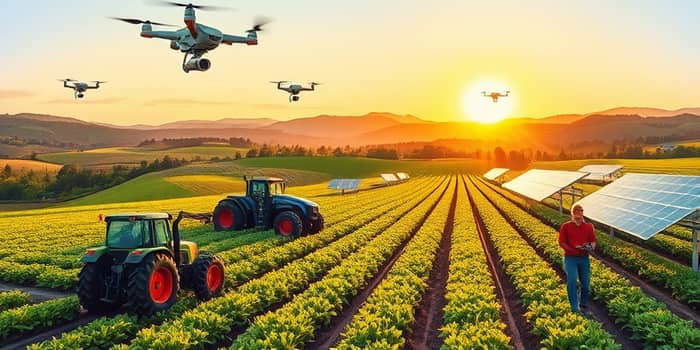
Digital transformation connects farms through IoT sensors and edge analytics, enabling automated systems that optimize irrigation and fertilization. This shift empowers farmers to move from reactive to proactive management, anticipating risks before they escalate.
Sustainability is not just a trend; it's a necessity for long-term food security. Regenerative and nature-based agriculture are core to this approach, focusing on soil health, biodiversity, and carbon sequestration.
Resource efficiency is another pillar, with precision tools drastically reducing input use. In the U.S., farms now produce more on fewer acres, a testament to technological advancements that prevent waste.
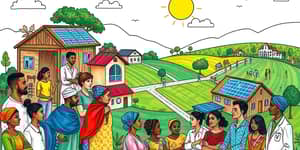
Renewable energy adoption is on the rise, with a 167% increase in U.S. farms using solar, wind, or geothermal systems over the last decade. This not only cuts emissions but also lowers operational costs, making sustainability economically viable.
Despite the promise, AgTech and sustainable practices face significant hurdles that must be addressed for widespread adoption. High initial costs can be prohibitive, especially for small-scale farmers who may lack access to capital or digital infrastructure.
Only 36% of small farms plan to adopt AI, highlighting a gap that must be bridged through education and policy incentives. Overcoming these barriers is crucial to ensuring that the benefits of AgTech reach all farmers, not just the most resource-rich.
The growth of AgTech is fueled by billions in venture capital annually, signaling strong confidence in its potential. Startups are innovating across verticals, from alternative proteins to smart farming solutions, with 236 companies profiled in recent reports.
This investment landscape is not just about profit; it's about creating a sustainable future where technology serves humanity and the environment. Venture capital and government support are driving forces that accelerate innovation and scale solutions globally.
To translate trends into action, farmers and stakeholders can take concrete steps to integrate AgTech and sustainability into their operations. Start by assessing current practices and identifying areas for improvement based on data and local conditions.
By starting small and scaling gradually, even modest farms can reap the benefits of precision tools and regenerative methods. Collaboration with local communities and leveraging government grants can further ease the transition, making sustainable farming accessible to all.
The future of food depends on our ability to innovate and adapt. As we look to 2036 and beyond, AgTech and sustainable practices offer a path to a world where hunger is alleviated, ecosystems are restored, and farming is a source of pride and prosperity.
Embrace this journey with optimism and determination. Together, we can cultivate a legacy of abundance and resilience for generations to come.
References