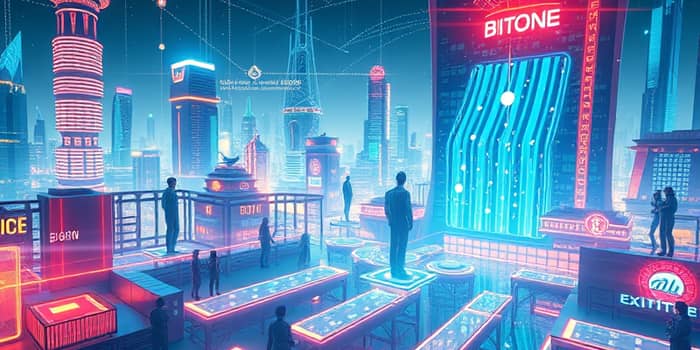
The metaverse is no longer a distant vision—it is rapidly becoming a thriving economic frontier where creativity, innovation, and commerce converge.
From immersive gaming worlds to virtual boardrooms, businesses and individuals are discovering how to create, trade, and thrive in digital realms. This article explores the defining traits, technological foundations, market projections, and actionable strategies for harnessing the true potential of the metaverse economy.
The journey begins by understanding what makes this space unique and why it promises to reshape industries and daily life.
At its heart, the metaverse is a persistent, interconnected universe that extends beyond individual applications. It offers a seamless bridge between our physical existence and a boundless digital dimension.
The explosive rise of the metaverse is powered by a fusion of cutting-edge technologies. Virtual and augmented reality hardware provide the sensory depth users crave, while 5G networks deliver the ultra-low latency connections needed for real-time interactions.
Blockchain networks ensure transparent ownership and provenance of digital assets, enabling secure transactions and programmable royalties through NFTs. Meanwhile, artificial intelligence enhances personalization, content generation, and spatial computing capabilities—anticipating user needs and optimizing virtual environments.
As haptic feedback devices mature, tactile sensations will further blur the line between real and virtual, ushering in a new era of truly immersive engagement.
Analysts offer varied estimates for the metaverse’s market value, reflecting different scopes—from core hardware to the entire digital economy. Yet all forecasts agree on one thing: unprecedented growth.
With projections ranging up to $5 trillion by 2030, major investors are pouring billions into hardware, software, content, and infrastructure. In 2024 alone, entertainment-focused applications attracted $17.6 billion in funding, underscoring the rush to define virtual experiences.
The metaverse economy hinges on the production, consumption, exchange of digital goods and services, often facilitated by cryptocurrencies and smart contracts. Brands, creators, and platforms are experimenting with diverse revenue streams:
Forward-thinking organizations are also exploring digital-physical integration—offering virtual tees that complement real apparel or unlocking real-world benefits through digital ownership.
Across sectors, the metaverse promises transformative applications. Key examples include:
Gaming remains the most mature arena, yet enterprises and institutions are swiftly adopting metaverse solutions to enhance engagement, cut costs, and reach global audiences.
While opportunity abounds, the path forward demands careful strategy. Mass adoption hinges on improving accessibility, reducing friction, and building trust. Privacy, security, and ethical considerations must be addressed to foster sustainable growth.
Organizations should prioritize immersive experience design, establish clear governance frameworks, and define measurable outcomes to ensure long-term success. Partnerships across technology, finance, and creative industries will accelerate innovation and standardization.
As VR/AR devices become more affordable and user-friendly, and as 5G and edge computing expand, the metaverse will emerge as an integral part of our digital lives, spawning new careers, revenue streams, and social landscapes.
By embracing this next phase of the internet, businesses and individuals can unlock unprecedented value, forging deeper connections and pioneering economic models that were once the stuff of science fiction.
References