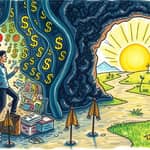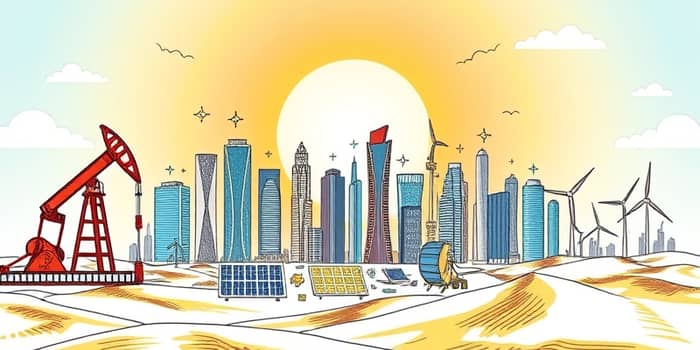
For decades, oil has been the lifeblood of the Middle East's economy, fueling growth and shaping global markets.
Today, a seismic shift is underway as nations embrace diversification away from oil dependency, driven by visionary plans and relentless reforms.
This metamorphosis promises not just survival but a thriving future built on tourism, technology, and renewable energy.
From the sands of Saudi Arabia to the skylines of Dubai, the region is rewriting its story.
It is a tale of resilience, ambition, and transformation that inspires hope and practical action.
Historical reliance on oil provided stability, but it also created vulnerabilities to global price swings.
Now, countries are pivoting toward non-oil sectors like tourism and tech, reducing risks and unlocking new opportunities.
National visions, such as Saudi Vision 2030, are at the forefront of this change.
These blueprints aim for resilient, inclusive growth that benefits all citizens.
Key strategies include investing in infrastructure and fostering innovation ecosystems.
As a result, the economic landscape is evolving rapidly.
Recent data highlights the momentum behind this transformation.
The GCC non-oil economy has grown almost twice as fast as the oil sector over the past 14 years.
This shift is reflected in rising private sector contributions, now at 55% of GDP.
Here is a table summarizing projected growth and drivers for select countries:
Inflation remains low in the GCC, supporting economic stability.
Labor markets are strengthening, with unemployment declining due to targeted reforms.
Tourism alone contributes nearly US$250 billion to the GCC GDP, showcasing its impact.
These indicators signal a robust foundation for continued progress.
National visions and structural reforms are the engines of this metamorphosis.
Saudi Arabia's Vision 2030 invests heavily in mega-projects like NEOM and renewable energy.
The UAE leverages Dubai as a financial hub with booming fintech sectors.
Qatar is expanding its solar capacity and fostering an AI ecosystem.
Policy tools play a crucial role in accelerating diversification:
Emerging sectors are diversifying the economic portfolio beyond oil.
They include:
Sovereign wealth funds are diversifying national assets into these high-growth areas.
Regional integration through intra-MENA trade agreements lowers costs and boosts competitiveness.
Workforce development is key to sustaining this transformation.
Reforms are boosting private sector jobs and increasing female participation.
Saudi Arabia's Saudization program aims for a 35% participation rate by 2030.
However, challenges remain in attracting foreign talent and upskilling workers.
Skills gaps can raise wages and project costs, requiring focused efforts.
Youth unemployment, particularly among Gen Z, needs addressing through entrepreneurship.
Initiatives to foster innovation and job creation are critical for long-term success.
This human capital investment ensures that growth is inclusive and sustainable.
The path to diversification is not without obstacles.
Economic vulnerabilities include oil price swings and inflation pressures.
Food shortages and debt issues pose risks in some regions.
Structural challenges like the middle-income trap can hinder progress.
Implementation hurdles involve project financing and labor shortages.
Budget cuts or reprioritization may slow down mega-projects.
Contextual differences mean resource-rich nations face different tasks than others.
Key risks to monitor are:
Proactive management and adaptive strategies are essential to overcome these barriers.
Despite challenges, the outlook is optimistic with numerous opportunities.
MENA leads regional growth expectations, driven by innovation and sustainability.
A proposed MENA Start-ups Evolution Council could support entrepreneurship.
Global integration through FDI and trade in high-tech sectors offers vast potential.
Resilience factors include non-oil momentum and external demand for exports.
Untapped potential lies in converting growth into shared prosperity for all citizens.
Morocco's model of port and rail investments shows how infrastructure can boost manufacturing.
Opportunities for actionable steps include:
By embracing these avenues, the Middle East can build a legacy of resilience and innovation.
The metamorphosis from oil wealth to a diversified economy is a testament to human ingenuity.
It inspires not just regional progress but a global model for sustainable development.
Every step forward contributes to a brighter, more equitable future.
References