In a world of economic uncertainty and rising living costs, crafting a spending system that safeguards your autonomy is more vital than ever. The self-sufficient spender merges practical money management with intentional living to cover current needs and future goals without outside dependence.
A self-sufficient spender is someone who can cover current needs and future goals while maintaining financial self-sufficiency and self-reliance. This person designs habits, environments, and systems that align spending with values, building both monetary resilience and psychological well-being.
To clarify, this model sits between simple bill-paying and full financial independence. Basic self-sufficiency means meeting obligations without hardship, while full independence implies living off passive income. The self-sufficient spender forges a path from dependence toward sustained autonomy.
Economic and lifestyle volatility—ranging from sharp inflation to sudden job disruptions—can derail anyone unprepared. By adopting a self-sufficient spending mindset, you buffer against price shocks, supply chain hiccups, and unforeseen emergencies.
Moreover, the benefits extend beyond dollars and cents:
At the heart of self-sufficient spending lies mindful, intentional spending. This discipline treats money as a tool for meaningful living, not a scorecard. Core principles include:
Intentionality: Every purchase serves a purpose aligned with your deepest values. Awareness: Tracking habits uncovers impulse triggers. Psychological insight: Understanding emotional drivers prevents splurges that conflict with goals.
Reframing budgeting as a tool for freedom not restriction transforms finance from burden to blueprint. Research shows that experiential purchases—courses, travel, community events—often yield far greater satisfaction than material items. By shifting your spending toward experiences, you build memories, skills, and relationships that last longer than any gadget.
Understanding true living costs is the first step. Many discover they underestimate expenses until they pay rent, utilities, insurance, and groceries out of pocket. The U.S. Bureau of Labor Statistics reports single adults spend roughly $32,000 annually on essentials.
Building an emergency fund of three to six months’ expenses offers design for resilience versus fragility. Start by targeting $500 in a liquid account to relieve immediate anxiety. Then, channel at least 15% of your gross income into long-term savings for a powerful peace of mind.
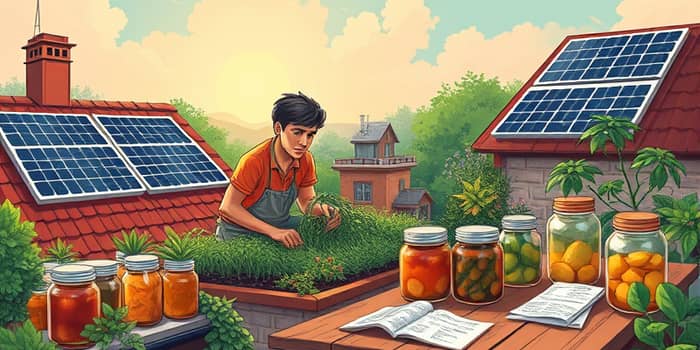
Reducing reliance on conventional systems can shrink your budget and elevate your sense of agency. Kitchen gardening, DIY home repairs, composting, and rooftop solar panels all carry upfront costs but yield substantial savings over time. Whether you cultivate herbs in window boxes or install rain barrels, small steps compound into self-reliance and autonomy.
Beyond financial payoff, these practices foster well-being through meaningful work and deeper connection with nature. Surplus harvests can become community trade, bolstering local cohesion and environmental stewardship.
Designing your own system requires crafting defaults and friction points. Set recurring transfers into savings to automate wealth building. Add brief waiting periods before discretionary purchases to cool impulse. Establish a weekly money ritual: review spending, celebrate wins, and adjust upcoming allocations.
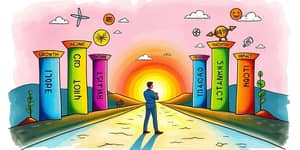
Embrace budgeting spreadsheets or apps as tools for clarity rather than constraint. Map your journey along this continuum: from covering essential expenses to growing passive streams that one day support your chosen lifestyle without active work.
Becoming a self-sufficient spender is not an overnight transformation but a continuous design process. Each mindful choice, from gardening to tracking every dollar, builds a fortress of independence. Start with one small change today—open that savings account, plan a container garden, or pause before your next impulse buy. Over time, these deliberate acts accumulate into true financial and personal freedom.
References