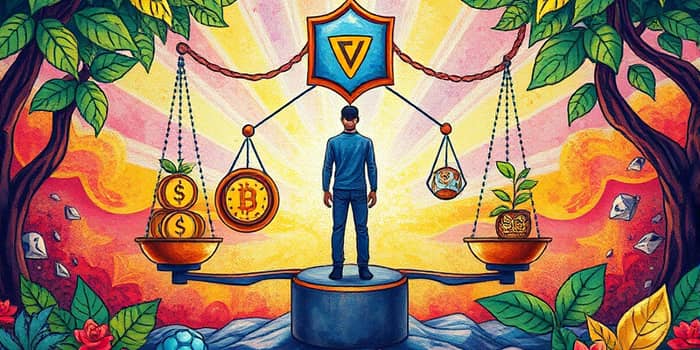
In a world of constant change and uncertainty, your personal economy is more than just a bank balance. It’s an integrated economic resource system where money, time, energy, and social capital come together.
Building resilience in this system means preparing for inevitable shocks—job loss, market downturns, health crises—and emerging stronger. This article provides a comprehensive roadmap to design a personal economy that can absorb shocks and adapt, thriving no matter what the future holds.
Traditional financial advice often focuses on income and expenses alone. A resilient personal economy recognizes that non-financial resources are equally vital. Time, energy, attention, and relationships all factor into your capacity to create and sustain well-being.
By valuing each resource stream, you gain flexibility—and a more robust foundation for navigating life’s ups and downs.
Effective personal economy design rests on balancing core financial components: income, spending, saving, investing, and protection. Each pillar supports the others, creating a web of security.
Accurate tracking and periodic review keep you on course. Start with a personal financial inventory—list assets, liabilities, monthly cash flows, and existing protections. This baseline reveals strengths and vulnerabilities.
An emergency fund is your first line of defense. Financial advisors typically recommend three to six months of living expenses set aside in highly liquid accounts. This buffer helps you cover sudden costs without derailing long-term plans.
Protection extends beyond cash reserves. Adequate insurance—health, disability, property, and life—ensures that unexpected events don’t cascade into financial ruin. Establishing an estate plan and clear beneficiary designations further safeguards your loved ones.
Once baseline protections are in place, focus on growth. Investing builds wealth and inflation protection. Historically, diversified portfolios of stocks, bonds, and real estate have delivered average annual returns around 7% in the US.
Rebalance periodically to align risk tolerance with life stage and market conditions. Automated platforms and robo-advisors can simplify this process for hands-off management.
Modern consumer culture equates happiness with accumulation. A sufficiency paradigm flips that notion, centering on fulfillment rather than endless consumption.
Adopt simple practices: prioritize repairable goods, choose durable items, buy local, and focus on experiences over possessions. Behavioral interventions—such as setting spending rules, practicing delay gratification and reflection, and aligning purchases with values—reinforce sustainable choices.
Your personal economy doesn’t exist in a vacuum. Every decision ripples through society and the environment. Systems thinking encourages you to see these connections, fostering choices that benefit both you and the wider world.
Supporting local businesses lowers emissions and bolsters community resilience. Investing in green technologies—solar panels, energy-efficient appliances—reduces long-term costs and environmental impact.
By embracing an interconnected social ecological systems perspective, you create a personal economy that is both robust and regenerative.
Designing a resilient personal economy is an ongoing journey, not a one-time project. Begin with a clear inventory, build protective buffers, and pursue growth through investment and skill development.
Incorporate holistic resource management to keep time and energy aligned with financial goals. Cultivate a sufficiency mindset to reduce wasteful spending and support lasting fulfillment.
Finally, adopt systems thinking to understand the broader impacts of your choices. This holistic approach ensures your personal economy is not only shock-resistant but also a force for positive change in the world.
By applying these principles—balancing pillars, planning for shocks, and focusing on sufficiency—you’ll craft a personal economy that weathers storms and flourishes in calm seas alike. Take control, stay adaptable, and build the resilience that powers your future.
References