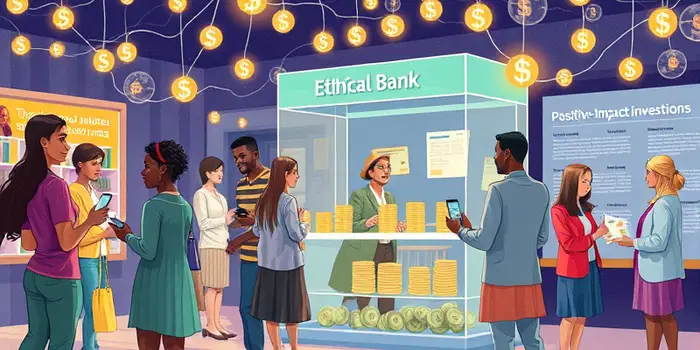
In an era of global challenges, every financial choice carries consequence. By aligning spending, banking, and investments with our values, we can reshape corporate behavior and fund positive change.
Conscious contributions treat money as more than a means to an end: every dollar is a vote for the kind of world we want. When you choose a brand, open an account, or buy a fund, you signal priorities to businesses and markets.
Over time, these signals add up. Collective demand for ethical products pushes suppliers to improve labor practices, reduce emissions, and increase transparency. That makes our purchases and portfolios powerful levers of social and environmental progress.
Market dynamics respond quickly to consumer trends. When 40% of North American purchases in 2026 are tied to conscious consumerism—up from 38% the previous year—it reflects a seismic shift in buying habits. In the UK, ethical consumer spending soared from £17 billion in 1999 to over £141 billion in 2023.
Secondhand shopping offers another potent example. Mastercard reported that circular clothing economies are expanding more than three times faster than traditional retail. By purchasing quality pre-owned items, shoppers reduce waste and carbon footprints while signaling demand for sustainable business models.
At the same time, nearly half of U.S. consumers say trust in brands is very important, and 49% are committed to mindful spending in response to rising living costs. These numbers show that practicality and principle can go hand in hand.
What You Buy determines which companies thrive. Seeking B Corp or Fair Trade labels, supporting local producers, and choosing durable goods all drive ethical practices upstream.
Where You Bank shapes how capital is deployed. When banks disclose lending portfolios or commit to fossil-fuel divestment, depositors empower sustainable finance and community development.
What You Invest In steers long-term corporate strategy. Funds that screen for environmental, social, and governance (ESG) criteria reward companies that prioritize people and planet over short-term profits.
Ethical markets aren’t fringe. A UK study found that ethical purchases in select sectors grew 18.2% in one year, compared with just 2.8% overall. In Australia, four in five individuals expect superannuation, banking, and investments to align with their values.
Younger investors are leading the charge. Triodos discovered 39% of new investors are under 35, and 83% of those aged 18–34 consider at least some of their investments sustainable, compared to 50% overall.
These data points illustrate widespread momentum. As more people recognize the link between dollars and outcomes, ethical markets gain real financial heft.
Despite growing interest, skepticism remains a barrier. A quarter of potential investors question whether so-called ethical funds truly deliver impact, up from 17% in 2020. In Australia, 72% worry about greenwashing, and only 8% of global investors currently allocate to environmentally responsible funds.
Building trust requires clear standards, rigorous reporting, and third-party verification. Financial providers must embrace openness about where money goes, or risk losing customers who demand accountability.
Consumers and investors can protect themselves by seeking verified credentials, reading impact reports, and asking tough questions. Detailed prospectuses and transparency portals are the new hallmarks of credible, values-driven finance.
By integrating these habits into daily life, you make intentional choices easier and more habitual. Small adjustments—like reviewing fee structures or swapping brands—compound into significant collective impact.
Conscious contribution isn’t a solo act; it’s a movement. Each purchase, deposit, and portfolio reallocation becomes part of a larger chorus demanding ethical business and transparent finance. When millions of individuals vote with their dollars, corporations take notice.
While the path isn’t perfect—standards must evolve, and obstacles remain—the trajectory is clear. As more people adopt values-based financial choices, we edge closer to markets that reward social good and environmental stewardship.
Our collective action demonstrates the collective power of millions to transform supply chains, banking practices, and investment priorities. The journey toward a fairer, greener economy begins with the choices you make today.
References