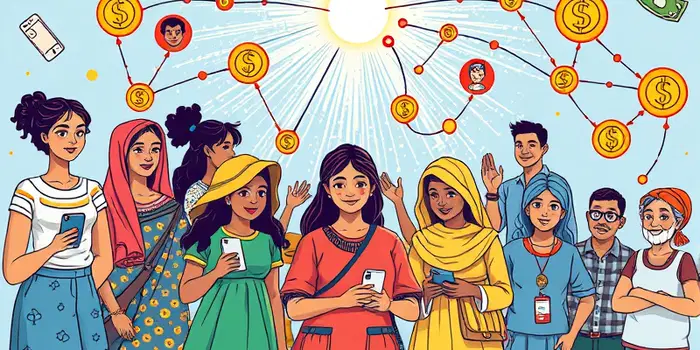
Across continents and communities, millions are transforming their lives through inclusive financial services. From mobile wallets in remote villages to small loans empowering entrepreneurs, financial inclusion is reshaping destinies.
By ensuring everyone can access savings, credit, insurance, and payment systems, we unlock potential previously blocked by economic barriers. This journey requires collaboration, innovation, and unwavering commitment.
The concept of financial inclusion refers to affordable, appropriate, and safe financial services available to every individual and business. Core services include payments, savings, credit, and insurance tailored to the needs of low-income households, women, rural communities, and small enterprises.
The World Bank emphasizes that such inclusion is a cornerstone of poverty reduction and economic growth. When people can save securely, borrow responsibly, and manage risk, they smooth consumption, invest in opportunities, and protect themselves against shocks.
Inclusive finance has roots in 15th-century Italy, where church-sponsored pawnshops offered humane credit alternatives to moneylenders. These early efforts laid the groundwork for socially oriented finance.
In the late 20th century, microcredit pioneered by the Grameen Bank in Bangladesh reframed the poor as bankable. Group-based lending empowered women entrepreneurs, demonstrating remarkable repayment rates and sparking a global microfinance movement.
According to the latest Global Findex (2025), account ownership at formal institutions rose from 51% of adults in 2011 to 76% in 2021. Yet disparities endure: some developing regions report account ownership rates below 10%.
Digital access is expanding, with the 2025 survey capturing data on mobile phone ownership, internet use, and digital safety for the first time. These indicators reveal persistent gaps among women and the poorest adults.
Fintech innovations—digital wallets, peer-to-peer lending, and blockchain-based solutions—are democratizing financial access. Mobile money services now reach remote areas where traditional banks cannot.
National Financial Inclusion Strategies set clear targets for account ownership, digital transactions, and financial literacy. Governments partner with private sector and civil society to build infrastructure, develop products, and educate citizens.
The success of M-Pesa in Kenya exemplifies how mobile money can leapfrog banking infrastructure, enabling transfers, savings, and microloans via simple feature phones. Today, over 60% of Kenyan adults use M-Pesa for daily transactions.
In India, the Pradhan Mantri Jan-Dhan Yojana has opened over 500 million basic savings accounts since 2014, offering no-frills banking, insurance, and direct benefit transfers. This initiative demonstrates the power of large-scale policy commitment.
Despite progress, concerns persist over predatory interest rates in some microfinance sectors, risking over-indebtedness among vulnerable borrowers. Regulatory frameworks must balance innovation with consumer protection.
Digital inclusion raises issues of data privacy, cybersecurity, and the digital divide. Ensuring rural and marginalized populations have reliable connectivity and digital literacy is essential.
Stakeholders can take concrete steps to accelerate progress and ensure no one is left behind. Collaboration among policymakers, financial institutions, technology providers, and community organizations is vital.
Inclusive finance is not merely a policy goal; it is a moral imperative. By building systems that serve the unbanked and underbanked, we pave the way for stronger communities, resilient economies, and a fairer world.
Together, we can bridge economic divides and unlock opportunity for all.
References