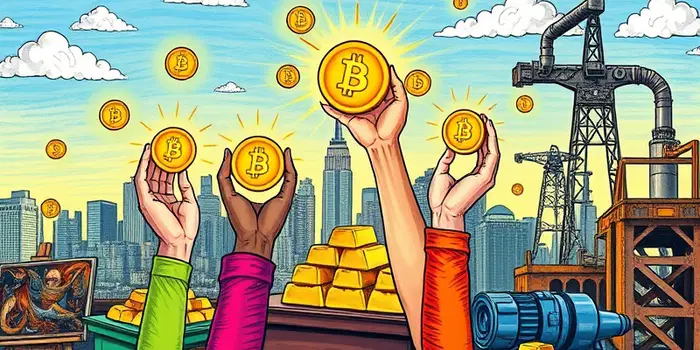
Imagine owning a fraction of a skyscraper, fine art masterpiece, or a barrel of oil without needing a fortune. That vision is rapidly becoming reality as blockchain-based innovation reshapes how we define and trade ownership.
At its core, blockchain-based digital ownership tokens transform traditional rights into programmable assets. By representing shares of tangible or intangible items as tokens on a decentralized ledger, investors can buy, sell, and manage holdings with unprecedented flexibility.
Tokenization breaks down high-value assets into small, tradable units. Each token carries a fractional interest in high-value assets, often governed by smart contracts that embed compliance measures such as KYC/AML checks and transfer restrictions. This transparent and secure transactional records model reduces reliance on intermediaries and cuts settlement times from days to seconds.
The asset tokenization market has witnessed explosive growth, though estimates vary widely. Industry analysts report figures from a few billion dollars to trillions, underscoring both excitement and uncertainty about the sector’s true scale.
Key statistics include a rise from USD 5 billion in 2022 to roughly USD 24 billion by mid-2025 in on-chain real-world assets (RWAs), while some projections stretch to USD 130 trillion by 2035 when financial instruments and stablecoins are included. Such a broad range reflects divergent methodologies, scopes, and underlying definitions.
Several sectors lead the tokenization wave, each with unique dynamics and potential:
Across these classes, tokenization delivers instant global trading around the clock and lowering entry barriers for new investors, reshaping the landscape of wealth creation and distribution.
Legal frameworks must catch up to innovation. Many tokenization platforms integrate automated compliance through smart contracts, embedding rules for accredited investor checks, regional restrictions, and transfer limits. In parallel, regulators worldwide are crafting guidelines to ensure consumer protection without stifling growth.
Key considerations include:
Whether you are a seasoned investor or exploring this space for the first time, tokenization offers concrete advantages:
To get started:
No innovation is without pitfalls. Key risks include:
Mitigation strategies involve diversifying across assets and platforms, verifying third-party audits, and staying informed about evolving regulations.
As tokenization scales, we may witness:
• A global marketplace where fractions of any asset—from farmland to film royalties—trade seamlessly.
• Integration of decentralized finance services, such as lending and derivatives, directly on tokenized holdings.
• New models of community ownership, enabling local stakeholders to co-invest in infrastructure projects.
Ultimately, tokenization promises a more inclusive and liquid financial ecosystem. By breaking assets into accessible pieces, truly democratizing ownership across society, it paves the way for innovation, resilience, and shared prosperity.
The journey has only begun. With thoughtful participation, rigorous due diligence, and collaborative regulation, tokenization can unlock unprecedented value and redefine how we own the world around us.
References